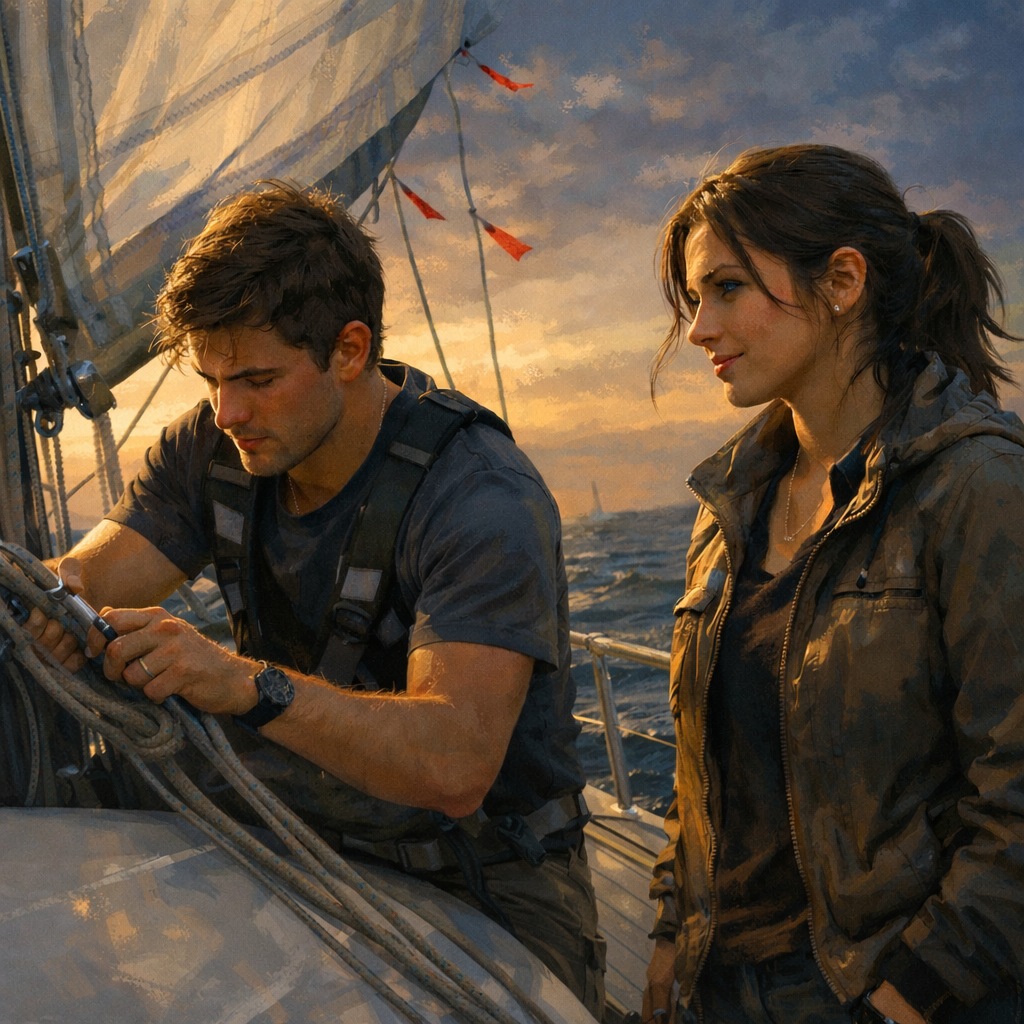
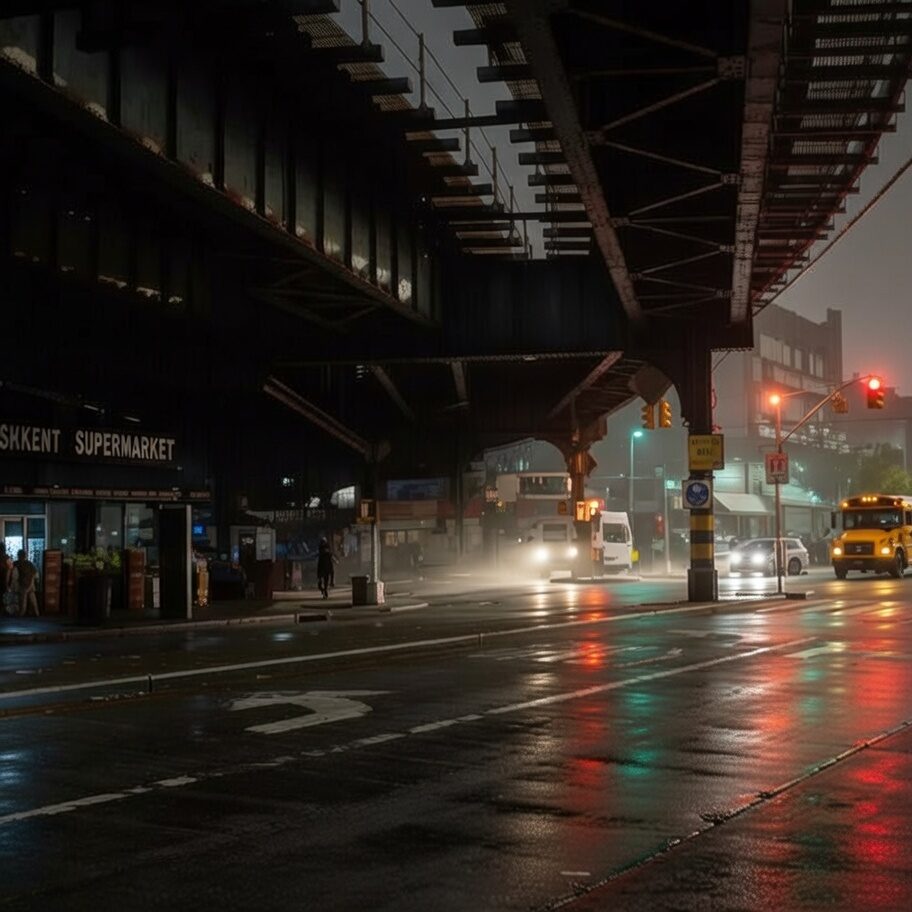
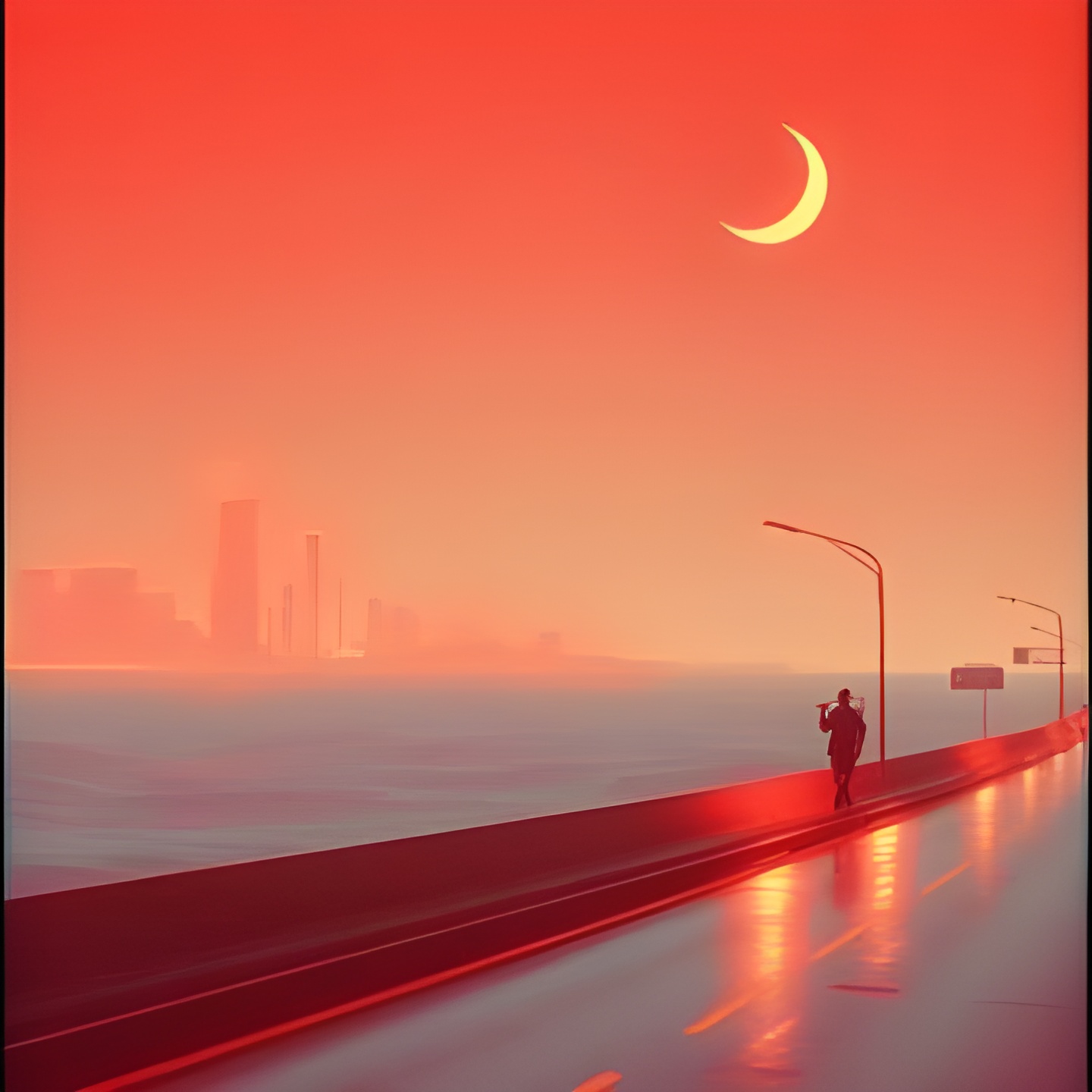
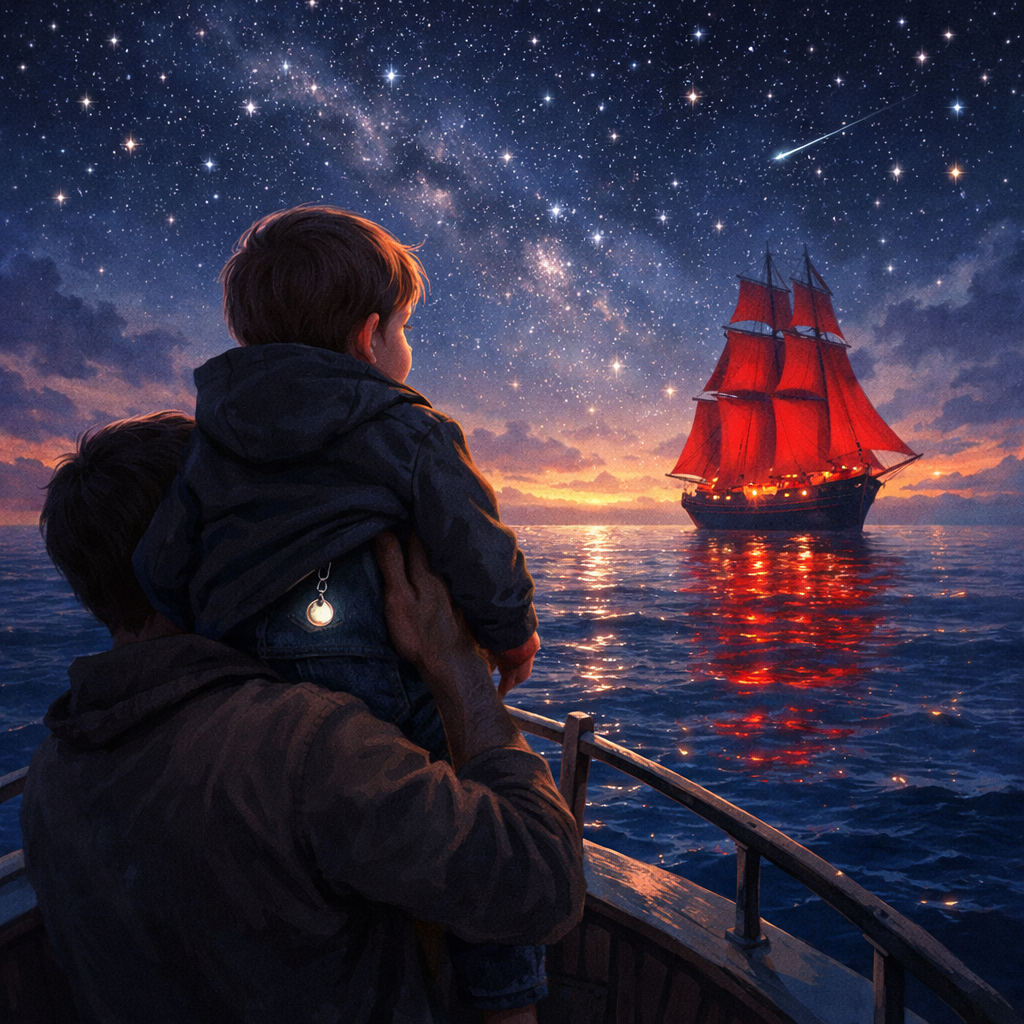
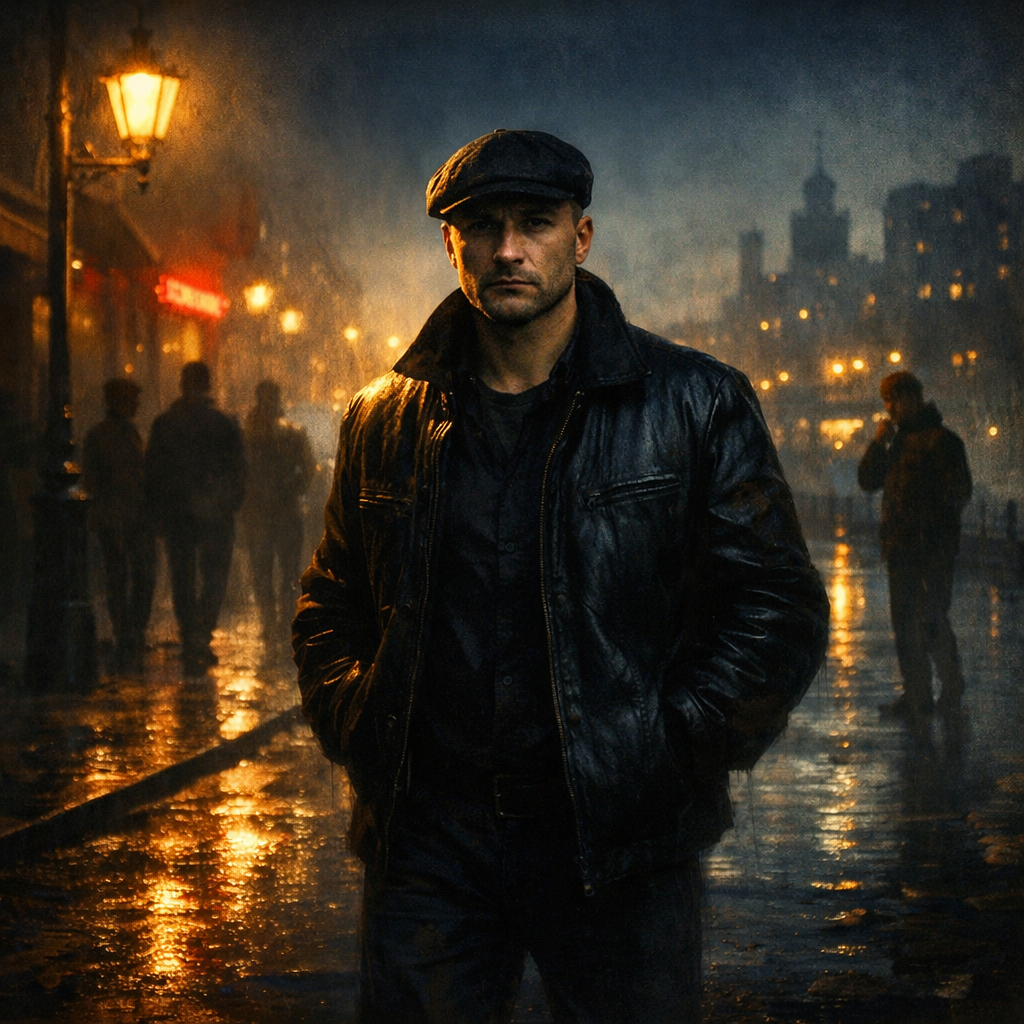

At its core, the song is about identity under doubt. Not dramatic self-pity, but a precise, almost surgical uncertainty — the kind that doesn’t announce itself: Am I alive? Am I remembered? Am I anything at all? That clinical detachment, the feeling of observing oneself from the outside, runs beneath every line that follows.
Lyrics
They say you gaze into the deepest eyes,
Peering through old photographs that hide
The fate of those lost long ago,
Tell me the truth of where they go.

I bring my photo, my own face shown,
I’m lost in life, I wander alone.
Alive or not, have I forgot?
Guide me, tell me where I belong, see?

Frozen in silver, trapped in the frame,
A wanderer lost, calling your name.

Tell me, tell me, am I still breathing?
Or just a flicker you caught tonight?
Tell me, tell me, where I’m existing—
Am I crossed, am I cursed, am I fading from sight?

The faces you read, their secrets untold,
The stories of those who never grow old.
Alive or gone, do they move on?
I seek the path where I belong.

Paper and dust mark the memory scars,
A lost heartbeat hidden beneath the stars.

Tell me, tell me, am I still breathing?
Or just a memory here tonight?
Tell me, tell me, where I’m existing—
Am I lost, am I ghost, am I hid in plain sight?

If I step from this photo tonight,
Will the world know my wandering plight?
If I cry through black and white,
Will the echo bite, or fade into endless night?

Tell me, tell me, am I still living?
Or just a shadow in borrowed light?
A ghost unseen, or a soul forgiving?
The Photograph as a Liminal Space
A photograph preserves — but it also confines. To be “frozen in silver” is to be fixed in time, cut off from growth and change. The image holds you exactly as you were, indifferent to who you’ve become or whether you’re still here at all.
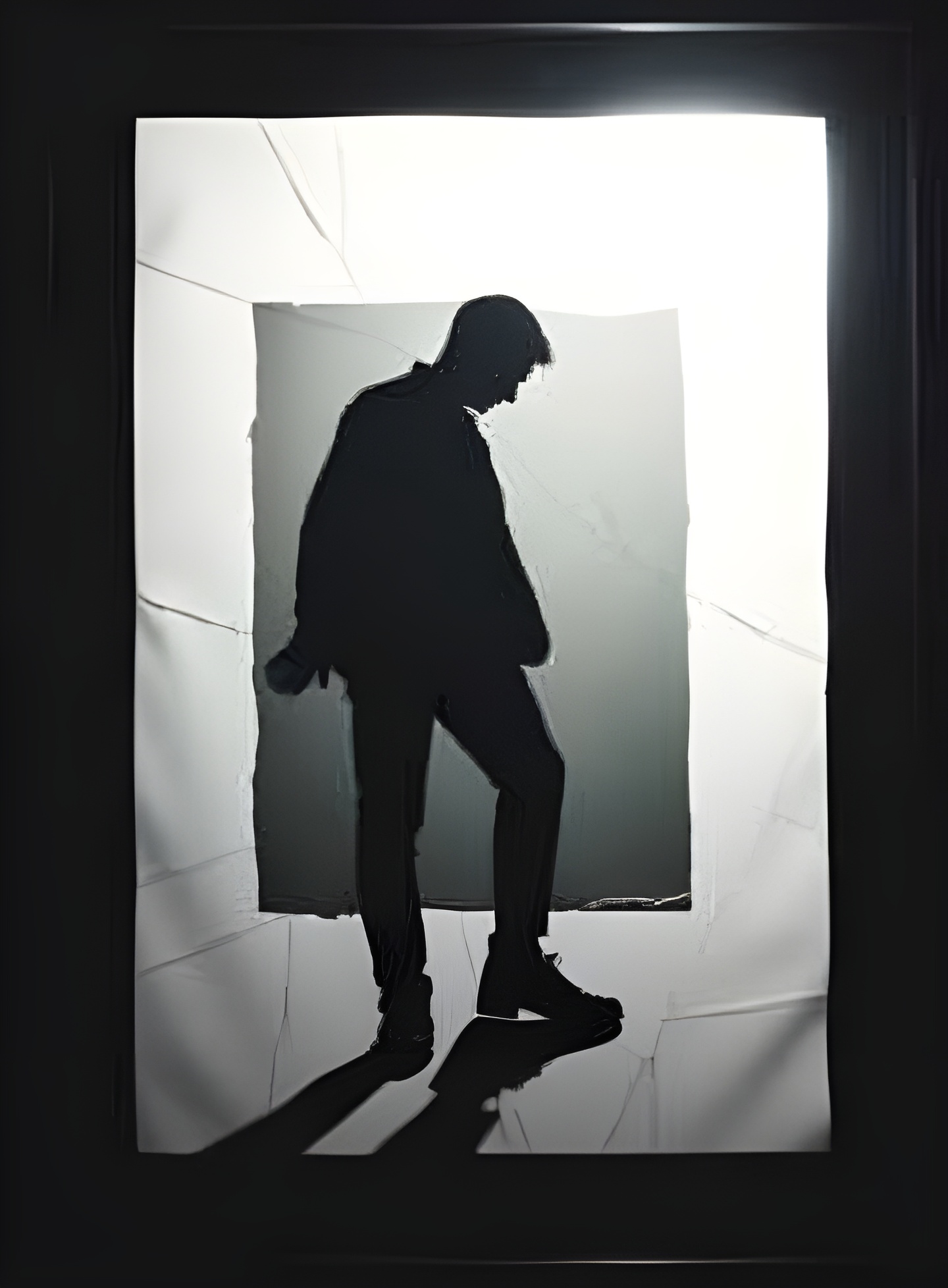
In this world, old photographs are not portraits but unresolved stories. The unnamed “seer” reads faces like case files. The narrator steps forward with his own image. This act turns quietly dangerous. He is asking whether he belongs to the living or to those already filed away. The frame becomes a threshold — neither fully present nor entirely gone.
The Chorus as Interrogation
The repeated “Tell me” is not decorative. It functions as an interrogation, and each return sharpens the uncertainty:
- Am I still breathing?
- Or just a flicker?
- Am I crossed, cursed, fading?
- Am I lost, a ghost, hid in plain sight?
The questions work on two levels at once. The first is literal mortality — is the speaker physically alive? The second is subtler: even if alive, does he register? Does he leave a mark?
This second anxiety comes from the cold detachment of watching yourself. You find nothing certain. This connects back to the clinical quality of the opening. The uncertainty isn’t felt as grief; it’s observed as a symptom.
“Borrowed light” captures both levels cleanly. It represents a photographic fact. It also admits philosophically that his sense of self depends entirely on being seen by someone else.
Memory as Both Archive and Erosion
“Paper and dust” introduce decay without sentimentality. Photographs age. Memory fades chemically and culturally. The line “those who never grow old” cuts in both directions. Eternal youth is also the mark of someone who stopped. To never age is to never continue.
The narrator’s anxiety, then, isn’t simply about dying. It’s about being locked into a version of himself that has no future.
The Bridge: Agency or Illusion?
The bridge imagines escape:
If I step from this photo tonight…
Motion replaces stasis, if only as a hypothesis. Yet the doubt doesn’t lift — would anyone notice? Would the world respond, or would the voice simply thin out into “endless night”?
The song’s structural arc mirrors this movement. Verses build atmosphere. The pre-choruses compress the central image (“Frozen in silver…”). The chorus escalates through repetition. The bridge raises the stakes before the final refrain rephrases everything. The form itself enacts the pattern — reach toward clarity, fall back into question. By the time the last line arrives, the architecture prepares us for a shift in register. It’s a shift not just in feeling.
The fear, it turns out, is not annihilation. It is insignificance.
The Final Line as Moral Reversal
The last question moves the entire song onto different ground:
“A ghost unseen, or a soul forgiving?”
Until this moment, the uncertainty has been about existence: Am I alive? Am I fading? But this line reframes the dilemma in ethical and spiritual terms. The contrast is no longer existence versus non-existence. It becomes condemnation versus reconciliation.
A “ghost unseen” implies neglect, invisibility, attachment that never resolved. A “soul forgiving” implies release — the choice to let go rather than linger.
Earlier questions were about status. This one is about condition.
It suggests that even if the speaker exists only as memory or shadow, there is still an agency. This agency determines how that existence is held. Is he trapped in bitterness and obscurity, or capable of grace? The cold, observational uncertainty of the opening is almost clinical in its self-distance. It finds its answer not in a diagnosis, but in a question about character.
The song moves from “Am I real?” to “What presence am I?”
No answer is given. But the question transforms the piece from dread into something quieter. It becomes a meditation not just on being seen. It is also about being at peace with what remains.